
Okay, so check this out—I’ve been messing with Solana wallets for years, and the idea of a fully web-based wallet felt risky at first. Wow! The convenience is obvious. But convenience often smells like a trap, right? Initially I thought web wallets would be too fragile for real use, but then I started testing one in earnest and that shifted my view pretty fast.
My instinct said “hold up” when I first loaded a web wallet in a browser tab. Seriously? It opened in a blink. The UI felt familiar though a little lighter than the desktop extension I usually use. Something felt off about the permission prompts at first, and my gut told me to double-check the origin and SSL certificate—always do that. I’ve learned a few hard lessons with keys and clipboard mishaps, so I keep paranoid habits now. I’m not 100% sure anyone needs to be as cautious as me, but honestly—it’s worth it.
Here’s the thing. A web wallet for Solana, like a browser wallet, lowers the friction to interact with dApps. It removes the need to install anything heavy. Wow! That matters if you’re onboarding friends or building demos. On one hand it’s simpler for new users; on the other hand, browsers are broad attack surfaces, so you do trade some control for convenience. Though actually, wait—let me rephrase that: you trade certain controls but gain accessibility, and sometimes that’s the exact exchange you want when trying to get people into DeFi or NFTs quickly.
Let me walk through the real trade-offs I saw while using a web-based phantom wallet and staking SOL through it. First, the good stuff: the setup is quick and painless, which means less confused friends asking “what do I click?”. Really? Yes. Second, the UX often mirrors what native extensions offer, so power users feel at home. Third, staking flows can be streamlined—delegate, confirm, and track from the same tab. But there are nuances, and some of them matter more than you’d think.
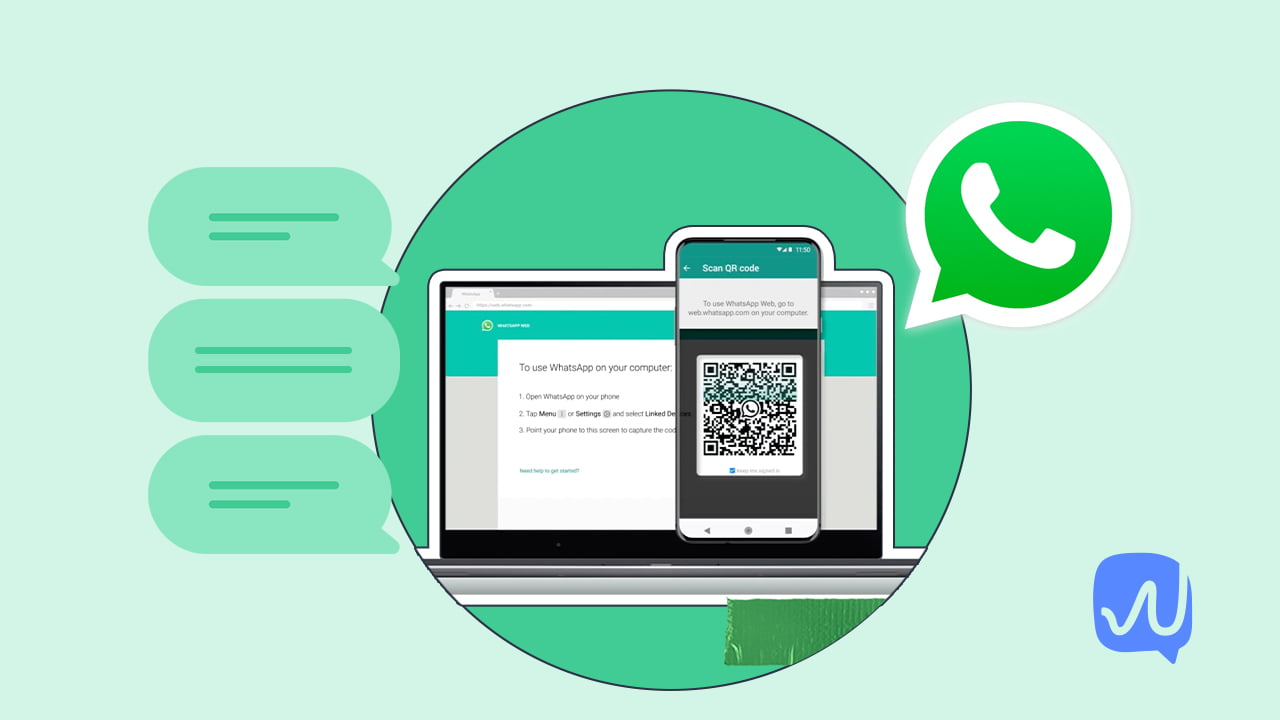
Why choose a web Phantom wallet for Solana?
I kept going back to one line of reasoning: adoption beats perfection for many use cases. My neighbor Joe doesn’t want to install a crypto extension to buy a Solana-based token for concert tickets. He wants to click, connect, pay. The web version lets you do that. Here’s the link I kept sending people when I wanted them to try it fast: phantom wallet. Wow!
Speed matters. Medium: transaction signing in a web session can be near-instant if your browser and network are good. Longer thought: if you combine a reliable connection with careful session practices—logout after use, avoid public Wi-Fi, lock your device—you can make the risk-reward tilt toward using the web wallet safely for everyday activities like small trades and staking. Something I tell folks: treat the web wallet like a hot wallet you would use for daily spending, not a cold vault for your life savings.
Security, though. Always the headline. Browsers get targeted. So the mitigation stack matters—hardware wallets where possible, native OS protections, and careful origin checks. On one hand web wallets have to be extra careful with cross-site scripting and clickjacking. On the other hand, recent improvements in browser sandboxing and CSP policies have made the environment better than it used to be. Initially I thought the browser would be inherently unsafe for staking, but then I realized staking doesn’t expose your funds the same way a transfer does; delegation only assigns your voting power and lockup rules, so the direct risk is slightly different.
Staking SOL through a web wallet is pretty straightforward. The interface typically shows validators, estimated APY, and commission rates. Wow! You click delegate, approve the transaction, and the network does its thing. But don’t just pick the top APY. Think of decentralization—spread your stake across multiple reputable validators. My instinct told me to concentrate because it looked more lucrative, but then I dug in and spread my stake to reduce slashing and centralization risk. Actually, wait—let me rephrase that: spreading helps both your risk profile and the network’s health.
Fees on Solana are low by design, which is one reason web wallets shine here. Medium: you can stake without feeling nickel-and-dimed. Yet there’s a trade-off in UX complexity when re-delegating or withdrawing rewards—because of epoch boundaries and warmup times. Longer thought: staking on Solana involves epochs, warm-up, and cool-down mechanics; it’s not instant, and if you need liquidity quickly you should plan around these protocol timings rather than assuming instant access.
Choosing validators is where my nerdy side leaks out. I look at performance history, commission trends, community reputation, and whether they run software updates on schedule. Hmm… some validators advertise zero fees as a marketing move, but that can hide sustainability issues. I’m biased toward validators with clear funding models and strong community ties. (oh, and by the way… ask them questions in Discord if you’re unsure.)
Wallet backups deserve a paragraph to themselves. Seriously? Yes. The phrase “write down your seed phrase” is obvious, but it’s amazing how many people skip it or store seeds insecurely. Do not screenshot. Do not email seeds. Use a hardware backup or a safe deposit box. My method: split the phrase, store pieces in different secure spots, and test recovery on a secondary device. It’s overkill for some, but when the phone dies and the wallet still works, that calm is priceless.
One thing that bugs me: the illusion of uniform UX across dApps. Some sites implement connect flows cleanly; others do dumb things like push repeated permission dialogs or ambiguous transaction messages. That inconsistency puts users at risk, because habituation makes people click “Approve” without reading. My working rule: if a transaction looks weird, cancel it. If a dApp asks for excessive permissions, step back. You can always come back after verifying contract addresses or reading community threads. I’m not perfect here—I’ve clicked without thinking and paid the price once. Live and learn, but learn fast.
Performance tips. Keep your browser updated. Disable unused extensions that might intercept content. Use separate profiles for crypto activity vs general browsing. Also, consider a secondary browser dedicated to your web wallet—it’s a small effort that cuts risk. Longer thought: compartmentalization reduces the blast radius of any compromise, and when your identity, email, and social accounts aren’t tied into the same browser profile, attackers have fewer cross-vector opportunities.
For developers and power users: the web wallet approach encourages better UX experimentation. You can A/B test staking flows without asking users to install anything. That’s a huge win for adoption. But developers, listen: make your transaction prompts clear. Say what will happen, why it’s needed, and show a human-readable cost estimate. If you make it confusing, people will either abandon or blindly approve—neither outcome is good.
Frequently asked questions
Is a web Phantom wallet as safe as the extension?
Short answer: it depends. Wow! Both can be safe if you follow good hygiene. The web variant trades some environment control for convenience. Medium: use hardware wallets for significant balances and treat the web wallet like a hot wallet. Longer thought: if you vet the web app origin, keep browsers patched, and use strong backups, you can mitigate most common threats, though some advanced attacks remain possible.
How do staking rewards work in a web wallet?
Rewards are credited per epoch and compound based on how frequently you reinvest. Really? Yes. The wallet shows your pending rewards and lets you claim or restake depending on the interface. Remember epochs take time; plan around that cadence if you need liquidity.
To wrap this up—though I promised not to be neat and tidy—I’m excited about web wallets for Solana because they lower the bar for real people to participate. I’m cautious too. My wiring is part skeptic, part optimist. Initially skeptical, now pragmatically optimistic. There’s no perfect answer; there are choices you can make to tilt the balance in your favor. If you’re trying the web option, start small, back things up, and keep a healthy dose of suspicion. You’ll enjoy the speed and simplicity, and if something goes wrong, you’ll also have learned a bit about threat models. Somethin’ to chew on. Really.